

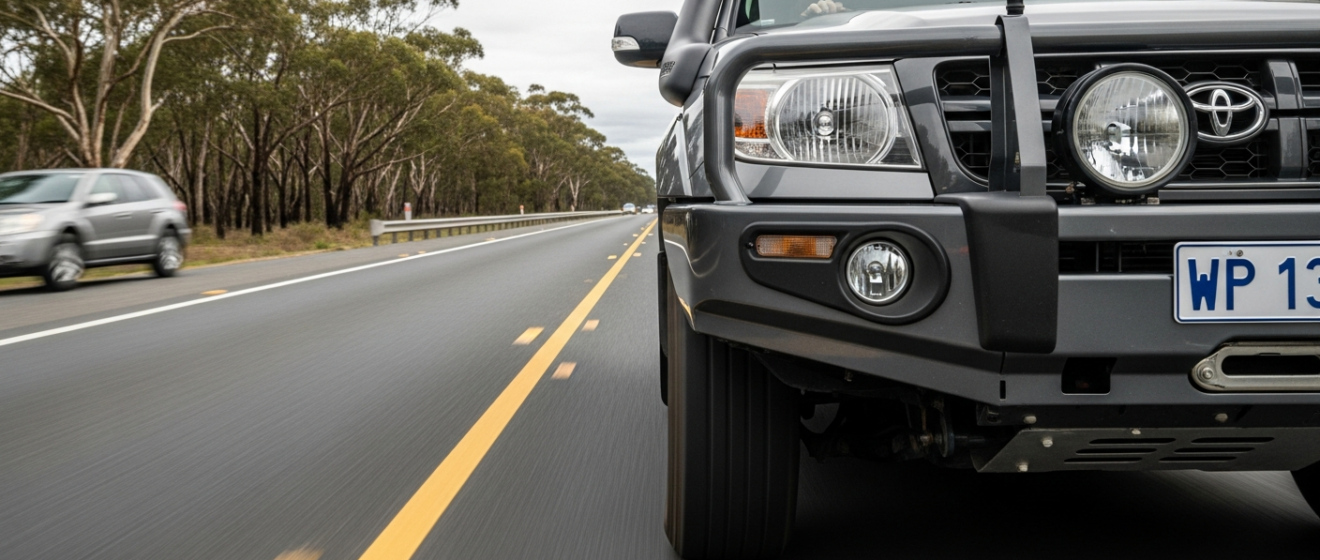
Australia’s roads and driving conditions demand a higher level of vehicle safety than many other parts of the world. From high-speed highways and rural roads to remote off-road tracks, 4×4 vehicles are often exposed to risks such as wildlife collisions, uneven terrain, and long distances without assistance. This is why fitting a bull bar is common across Australia—but not all bull bars are created equal.
One of the most important factors when choosing a bull bar is ADR approval. An ADR-approved bull bar is not just a recommendation; it is a critical safety and legal requirement. This article explains what ADR approval means, why it matters, and how it protects both drivers and vehicles on Australian roads.
What Does ADR Approval Mean?
ADR stands for Australian Design Rules. These are national standards established by the Australian Government to regulate the safety, design, and performance of vehicles and vehicle components.
For bull bars, ADR approval means the product has been designed, tested, and manufactured to meet strict safety requirements. These standards ensure that the bull bar integrates correctly with the vehicle’s safety systems and does not increase risk during an accident.
ADR approval applies to:
- Airbag compatibility
- Crash sensor functionality
- Impact absorption
- Pedestrian safety considerations
- Structural integrity
A bull bar that meets these standards is considered road-legal and safe for use on Australian vehicles.
Why ADR Approval Is Essential for Airbag Safety
Modern vehicles rely heavily on airbag systems to protect occupants during a collision. These systems are carefully calibrated to deploy at specific impact thresholds.
How Bull Bars Affect Airbags
Bull bars sit directly in front of critical crash sensors. If a bull bar is not ADR-approved:
- Impact energy may not transfer correctly
- Crash sensors may not trigger airbags
- Airbags may deploy too late or not at all
ADR-approved bull bars are engineered to work with the vehicle’s original safety design. They allow the airbag system to respond exactly as intended during a collision.
The Risk of Non-Compliant Bull Bars
Non-ADR bull bars can:
- Increase injury risk to occupants
- Cause airbags to malfunction
- Turn a minor accident into a serious one
This is one of the most important reasons ADR approval should never be compromised.
Legal Requirements Across Australia
ADR compliance is recognised nationally, but state and territory road authorities also enforce vehicle modification laws.
In many parts of Australia:
- Vehicles fitted with non-ADR bull bars can be defected
- Fines may be issued for non-compliant modifications
- Vehicles may be deemed unroadworthy
This means you could be forced to remove or replace a non-approved bull bar before your vehicle can be legally driven again.
Insurance Implications of Non-ADR Bull Bars
Insurance companies take vehicle modifications seriously. After an accident, insurers often inspect the vehicle to ensure all modifications comply with regulations.
If your bull bar is not ADR-approved:
- Your insurance claim may be reduced
- Your claim may be rejected entirely
- You may be personally liable for damages
ADR-approved bull bars protect not only your vehicle but also your insurance coverage. They give insurers confidence that your vehicle remains safe and legal.
Protection for Rural and Off-Road Driving
Animal strikes are a major concern in Australia, particularly in rural and outback areas. Kangaroos, cattle, and other wildlife pose serious risks, especially at night.
ADR-approved bull bars are designed to:
- Absorb impact energy safely
- Protect vital vehicle components
- Reduce damage during animal strikes
This level of protection is especially important for drivers who regularly travel long distances or remote roads.
Vehicle Compatibility and Sensor Integration
Modern 4×4 vehicles include advanced driver-assist systems such as:
- Parking sensors
- Forward collision warning
- Adaptive cruise control
- Cameras and radar sensors
ADR-approved bull bars are designed to:
- Maintain correct sensor positioning
- Avoid interference with electronic systems
- Ensure driver-assist features function correctly
Non-approved bull bars can block or misalign sensors, causing warning lights, system failures, or inaccurate readings.
Structural Design and Impact Performance
ADR-approved bull bars undergo extensive testing to ensure they:
- Distribute impact forces correctly
- Do not create sharp or dangerous edges
- Maintain structural integrity during collisions
This ensures safety not only for vehicle occupants but also for other road users.
Pedestrian Safety Considerations
While bull bars are primarily designed to protect vehicles, pedestrian safety is also considered in ADR standards.
ADR-approved bull bars:
- Reduce sharp edges
- Minimise unnecessary protrusions
- Are designed to lessen injury risk where possible
This is another reason why ADR approval is critical from a legal and ethical standpoint.
How to Identify an ADR-Approved Bull Bar
When purchasing a bull bar, always:
- Look for clear ADR compliance statements
- Check manufacturer documentation
- Ask suppliers directly about certification
Reputable manufacturers will clearly state ADR approval and provide supporting information.
Why ADR Approval Increases Resale Value
Vehicles fitted with ADR-approved accessories are more attractive to buyers. They are seen as:
- Safer
- Better maintained
- Legally compliant
A non-approved bull bar can reduce resale value and limit buyer interest.
Final Thoughts
ADR-approved bull bars are critical for Australian vehicles because they protect lives, ensure legal compliance, and preserve insurance coverage. Choosing a non-compliant bull bar may seem cheaper initially, but the long-term risks far outweigh the savings.
For any 4×4 owner, ADR approval should be non-negotiable. It ensures your vehicle remains safe, legal, and ready for Australia’s demanding driving conditions.
 Account
 Categories
 Car filter
 Search
 Top
Top