
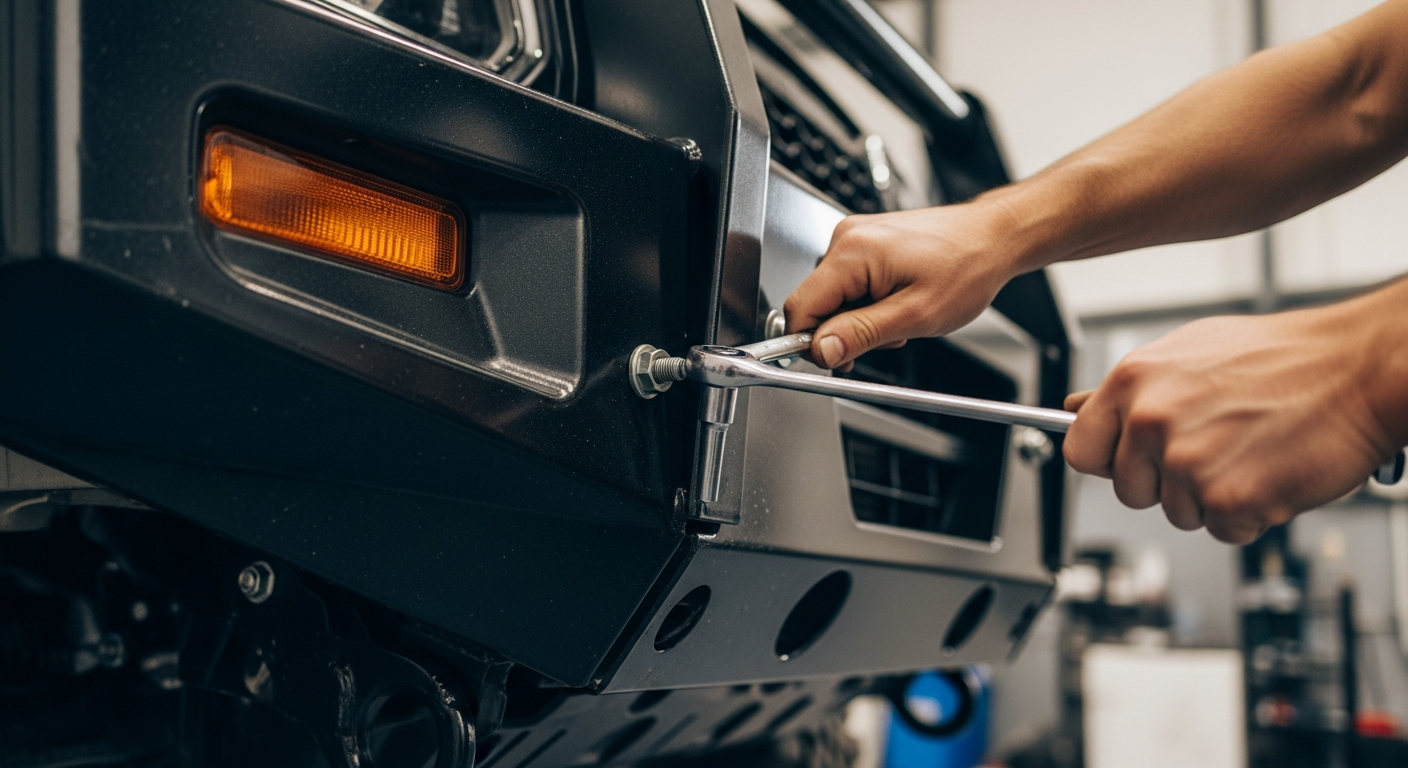
Installing a bull bar on your 4×4 is one of the most popular upgrades for off-road enthusiasts and Australian drivers. However, improper installation can reduce protection, damage your vehicle, or even create legal and insurance issues. Many 4×4 owners underestimate the importance of correct installation, leading to costly mistakes.
This guide highlights the most common bull bar installation mistakes, why they matter, and how to avoid them for a safe and reliable setup.
Why Proper Bull Bar Installation Matters
A bull bar is more than just a cosmetic upgrade. It plays a critical role in:
- Front-end protection: Shielding headlights, grille, radiator, and engine components.
- Safety system compatibility: Ensuring airbags, sensors, and cameras function correctly.
- Accessory support: Providing a strong platform for lights, winches, and recovery points.
Incorrect installation can compromise all three of these functions, putting your vehicle, passengers, and off-road performance at risk.
Mistake 1: Choosing a Non-Vehicle-Specific Bull Bar
One of the most common errors is installing a generic bull bar that isn’t designed for your vehicle make and model.
Why It’s a Problem:
- Airbags may not deploy correctly in a collision.
- Sensors (parking, radar, adaptive cruise) may malfunction.
- Fitment issues can lead to gaps, vibrations, and stress points.
Solution: Always choose an ADR-approved, model-specific bull bar. This ensures proper alignment with vehicle systems and legal compliance in Australia.
Mistake 2: Ignoring ADR Compliance
ADR (Australian Design Rules) approval is essential for bull bars to be road-legal and insurance-compliant.
Risks of Non-Compliance:
- Airbag interference
- Legal penalties in some states
- Insurance claims denied after an accident
Tip: Verify ADR compliance with the manufacturer and check documentation before purchase and installation.
Mistake 3: Improper Bolt Tightening
Loose or over-tightened bolts are another common issue.
Why It Matters:
- Loose bolts cause vibrations, rattling, and potential detachment.
- Over-tightened bolts may strip threads or damage mounting points.
Solution: Follow manufacturer torque specifications and, if unsure, hire a professional installer.
Mistake 4: Misalignment of the Bull Bar
Incorrect alignment affects both protection and aesthetics.
Common Misalignment Issues:
- Bull bar sitting too low, reducing approach angle.
- Side panels not flush with the vehicle body.
- Uneven gaps causing stress on mounting points.
Tip: Measure carefully during installation and ensure the bull bar sits evenly with the vehicle’s body panels.
Mistake 5: Overlooking Airbag and Sensor Connections
Modern 4×4 vehicles rely heavily on electronic safety systems. Incorrect wiring or blocking sensors can cause:
- Airbag failure
- False sensor warnings
- Parking assist errors
Solution: Use bull bars designed for sensor compatibility and follow installation guides carefully. Relocate or integrate sensors as required.
Mistake 6: DIY Without Proper Knowledge
While installing a bull bar yourself may seem cost-effective, DIY errors are common.
Potential Risks:
- Damaging wiring harnesses
- Weakening mounting points
- Incorrect accessory installation
Recommendation: Unless you have experience, professional installation is highly advised. Many manufacturers also require professional installation for warranty validity.
Mistake 7: Neglecting Accessory Installation
Many drivers add lights, winches, or antennas after installing a bull bar, but improper installation can cause:
- Electrical overload
- Loose accessory mounts
- Unbalanced weight affecting vehicle handling
Tip: Plan accessory installation before fitting the bull bar. Ensure compatible mounts, wiring, and load distribution.
Mistake 8: Failing to Maintain Approach Angle
Bull bars add weight and may extend forward, impacting off-road performance.
What Can Go Wrong:
- Reduced approach angle
- Risk of hitting obstacles on steep inclines
- Difficulty navigating rocky or uneven terrain
Solution: Choose a bull bar designed with high-clearance angles for off-road use, and check fitment before final installation.
Mistake 9: Ignoring Corrosion Protection
Australian conditions are harsh, with coastal salt, mud, and humidity.
Common Problems:
- Rust at mounting points
- Corrosion under the bar
- Peeling powder coat
Tip: Use ADR-approved bull bars with powder-coated finishes and anti-corrosion treatments. Inspect regularly and apply touch-up coating if needed.
Mistake 10: Skipping Post-Installation Checks
After installation, skipping checks can lead to long-term problems.
Important Post-Installation Steps:
- Test airbag and sensor functionality
- Check all bolt torque points
- Inspect wiring and accessory mounts
- Confirm legal compliance and number plate visibility
Regular inspections prevent small issues from turning into costly repairs.
Professional vs DIY Installation
Benefits of Professional Installation:
- Correct torque and alignment
- Sensor and airbag integration
- Compliance with ADR and legal requirements
- Warranty protection
When DIY May Be Okay:
- You have mechanical expertise
- You follow manufacturer instructions precisely
- Your vehicle is an older model with fewer sensors
For modern 4×4 vehicles in Australia, professional installation is strongly recommended.
Common Tools and Accessories Needed for Safe Installation
Even if hiring a professional, knowing what’s required is useful:
- Torque wrench (for correct bolt tightness)
- Socket sets and spanners
- Wire strippers and crimpers (for sensor wiring)
- Alignment tools or measuring tape
- Protective gloves and safety glasses
Proper tools reduce the chance of installation mistakes.
Final Thoughts
A bull bar is a significant investment for safety, off-road performance, and vehicle protection. However, mistakes during installation can compromise all of these benefits. From choosing the right bull bar, ensuring ADR compliance, to proper alignment, torque, and sensor integration, careful planning and execution are key.
Professional installation, combined with high-quality accessories, ensures that your bull bar performs as intended, keeps your vehicle road-legal, and protects you during off-road adventures. Avoid these common mistakes to enjoy maximum safety, durability, and peace of mind.