
Blog
Steel vs Alloy Bull Bars: Pros and Cons Explained

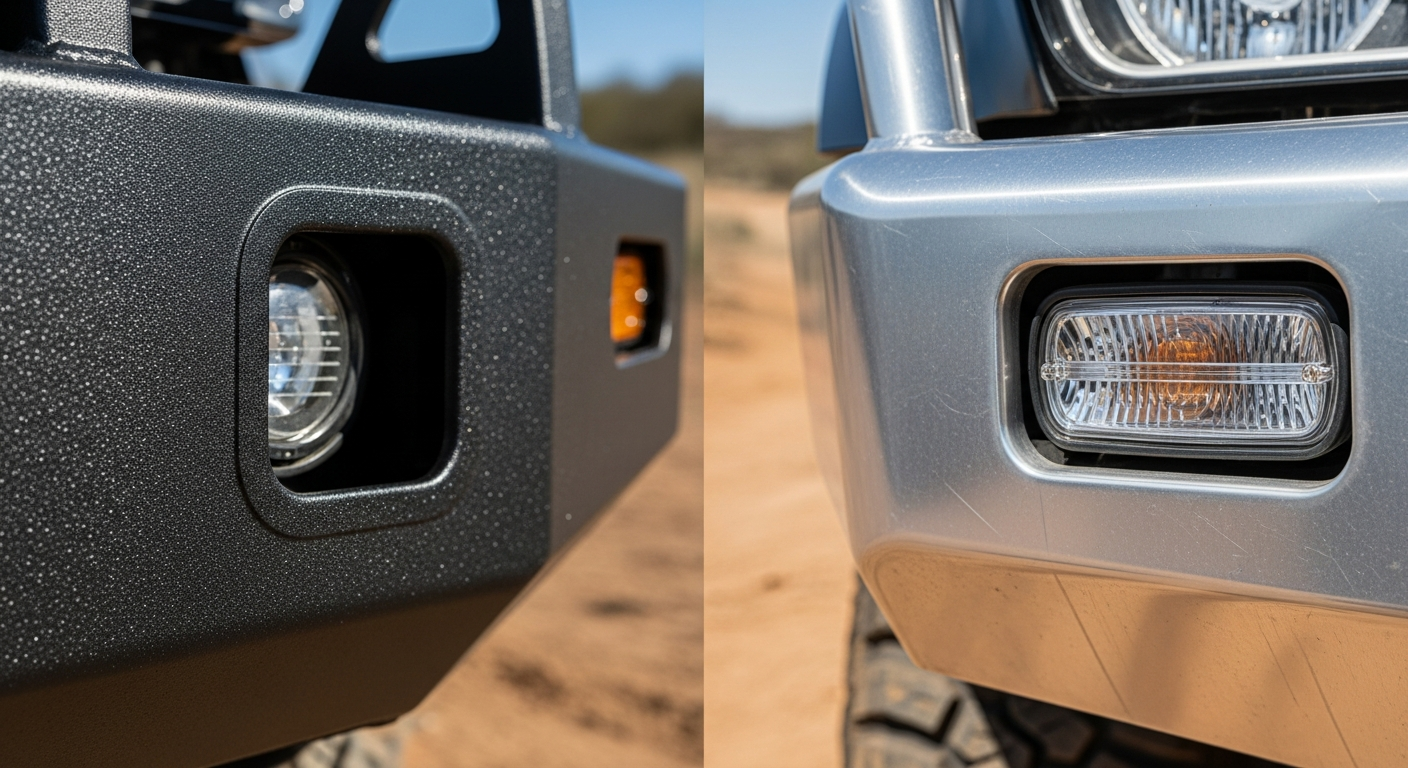
When choosing a bull bar for your 4×4, one of the most important decisions is the material: steel or alloy. Each option has its own advantages and disadvantages, affecting vehicle performance, safety, off-road capability, and long-term durability. Understanding the differences can help you make the right choice for your driving style and touring needs.
This guide explains the pros and cons of steel vs alloy bull bars, helping Australian 4×4 owners make an informed decision.
Why Material Matters
The material of your bull bar affects several key factors:
- Strength and protection: How well it absorbs impacts and protects your vehicle.
- Weight: Heavier bars may affect handling and fuel efficiency.
- Corrosion resistance: Important in coastal or wet environments.
- Accessory support: Determines whether you can mount lights, winches, or recovery points.
Choosing the right material ensures your bull bar meets both your off-road and on-road needs.
Steel Bull Bars
Steel bull bars are traditionally the most common choice for off-road enthusiasts in Australia. They are made from heavy-duty steel and often powder-coated to resist corrosion.
Pros of Steel Bull Bars
- Superior Strength and Impact Resistance
- Steel is extremely tough and can absorb heavy impacts, including animal strikes and collisions with obstacles.
- Ideal for rural and outback conditions, where wildlife collisions are common.
- Durability in Harsh Conditions
- Can withstand rocks, branches, and off-road debris better than alloy.
- Less likely to crack or bend under extreme stress.
- Support for Heavy Accessories
- Steel bull bars can carry winches, large LED lights, and other off-road equipment without compromising structural integrity.
- Long-Term Reliability
- With proper corrosion protection, steel bull bars last for many years, even under tough conditions.
Cons of Steel Bull Bars
- Weight
- Steel is heavy, adding significant mass to the front of your vehicle.
- Extra weight can affect fuel efficiency and handling, particularly on tight corners or sandy terrain.
- Potential for Corrosion
- Even powder-coated steel can corrode over time if scratched or exposed to saltwater.
- Regular maintenance is required to prevent rust.
- Installation Considerations
- Heavier weight may require reinforced mounting points or professional installation.
Alloy Bull Bars
Alloy bull bars, usually made from aluminium, have become increasingly popular due to their lightweight design and corrosion resistance.
Pros of Alloy Bull Bars
- Lightweight
- Aluminium is significantly lighter than steel, reducing the impact on handling and fuel efficiency.
- Ideal for vehicles carrying additional touring or off-road gear.
- Corrosion Resistance
- Naturally resistant to rust and corrosion, making them ideal for coastal regions or wet climates.
- Requires less ongoing maintenance than steel.
- Adequate Strength for Light Off-Road Use
- Alloy bull bars are strong enough for moderate off-road conditions and minor impacts.
- Compatible with LED lights, antennas, and rated recovery points.
- Easier Installation
- Lighter weight makes alloy bull bars easier to handle and install, sometimes even for DIY setups.
Cons of Alloy Bull Bars
- Less Impact Resistance
- Alloy bars are not as strong as steel and may deform in serious collisions or heavy animal strikes.
- Less suitable for extreme off-road conditions or harsh outback use.
- Limited Load-Bearing Capacity
- Heavy winches or large accessory setups may not be supported without reinforcement.
- Can bend or crack if overloaded.
- Cost
- Premium alloy bull bars can be more expensive than basic steel models due to material and manufacturing.
Choosing Between Steel and Alloy Bull Bars
The choice depends on how and where you drive your 4×4:
| Feature | Steel Bull Bar | Alloy Bull Bar |
|---|---|---|
| Weight | Heavy, reduces fuel efficiency | Lightweight, better for handling |
| Strength | Extremely strong, high impact tolerance | Moderate strength, less impact-resistant |
| Off-Road Capability | Excellent for extreme terrain | Suitable for light to moderate off-road |
| Corrosion Resistance | Needs coating, prone to rust | Naturally corrosion-resistant |
| Accessory Support | Can carry winches, lights, antennas | Limited, heavy winches may not fit |
| Cost | Affordable | Slightly higher |
Australian Considerations
Australia’s unique driving conditions heavily influence bull bar choice:
- Rural and Outback Driving
- Steel bull bars are recommended for high-risk areas with wildlife and rocky terrain.
- Coastal Regions
- Alloy bull bars are ideal for salt-laden air and coastal conditions due to superior corrosion resistance.
- Touring and Light Off-Road Use
- Alloy bars provide a balance between protection and fuel efficiency, making them suitable for long-distance touring with moderate off-road exposure.
Installation Tips for Both Materials
Regardless of material:
- Always choose an ADR-approved bull bar to maintain airbag and sensor compatibility.
- Ensure proper torque settings for bolts; steel bars may require higher torque due to weight.
- Inspect for corrosion or wear regularly, especially for steel.
- Plan accessory mounts in advance, particularly for heavy items like winches.
Accessory Compatibility
Both steel and alloy bull bars can support LED lights, recovery points, antennas, and number plate relocation brackets. However, load limits differ:
- Steel: Can handle heavy-duty winches, multiple large lights, and full recovery setups.
- Alloy: Best for lighter accessories or compact winches; overloading can cause damage.
Final Thoughts
Choosing between a steel and alloy bull bar is a balance of strength, weight, durability, and cost. For Australians who regularly drive in rural or off-road environments, steel bull bars provide unmatched protection and heavy-duty support. Meanwhile, alloy bull bars are ideal for light to moderate off-road touring, long-distance touring, and coastal driving where corrosion is a concern.
By considering your vehicle type, terrain, and accessory requirements, you can select the bull bar that offers both safety and functionality. Proper installation, maintenance, and ADR compliance ensure your bull bar performs as intended, protecting your vehicle and passengers on every journey.